Natural light is one of the most powerful and most overlooked elements in interior design. It influences mood, productivity and how spacious a home feels, yet design experts say many homes are unintentionally blocking the light they already have.
Insights from Sovereign Interiors reveal that the problem isn’t a lack of windows, but everyday design choices that quietly absorb, interrupt or shut out daylight altogether.
“People assume a dark home needs more lighting. In reality, most spaces are losing natural light through avoidable design decisions,” Sovereign Interiors interior designer Cayley Scrooby says.
Design mistake #1: Heavy window accessories that steal daylight
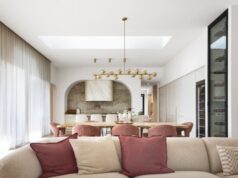
Thick curtains, dark fabrics and oversized tracks can significantly reduce the amount of usable daylight entering a room, even when they’re pulled open. Cayley says window treatments should soften and frame light, not overpower it.
“Swapping heavy drapery for lighter, sheer or streamlined options can instantly brighten a space without changing a single fixture,” she explains.
Design mistake #2: Blocking light with furniture placement
Large furniture placed directly in front of windows or along light pathways prevents daylight from reaching deeper into the room. This is particularly common in living rooms and home offices, where furniture often prioritises layout over light flow.
Design mistake #3: Using dark finishes where light is limited
While darker tones can be beautiful, using them in rooms with limited daylight can make spaces feel heavy and closed-in. Matte surfaces and deep colours absorb light rather than reflect it, compounding the issue.
“In low-light rooms, finish choice matters more than colour trends,” Cayley says.
Why artificial light can’t replace daylight
When interiors feel dark, the default response is often to add more lamps or brighter fittings, but Cayley says this rarely addresses the real design issue.
“Artificial light is fixed and directional; it illuminates surfaces, but it doesn’t animate a space. Daylight enters from multiple angles, reflects off walls, floors and ceilings and changes throughout the day, which is what gives a room depth and visual energy,” she explains.
From a design standpoint, artificial lighting also has limits in how it renders materials. Even high-quality LEDs can struggle to replicate daylight’s full spectrum, meaning finishes like timber, stone and natural fabrics can appear flatter or more muted.
“Good interiors rely on reflected light as much as direct light. If daylight isn’t able to travel through a room, because of heavy window treatments, poor layout or dark surfaces, no amount of artificial lighting will make the space feel open or balanced. The goal is always to design with daylight first, then layer artificial light to complement it,” Cayley adds.
How to design with light, not just around it
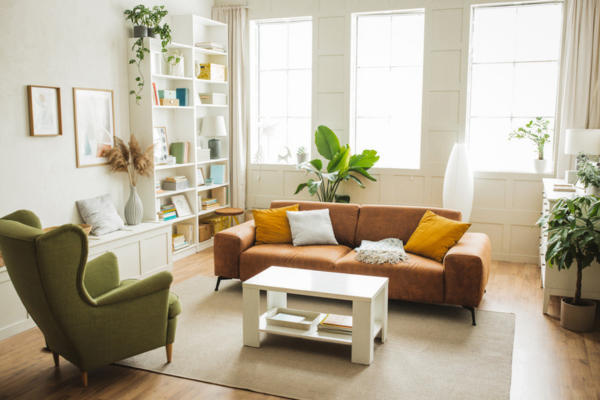
The solution is to treat natural light as a design feature rather than an afterthought. That means simplifying what sits near windows, choosing reflective or lighter finishes and allowing light to move freely through a space.
“Some of the most effective changes cost nothing at all. Repositioning furniture or removing visual clutter can dramatically change how a home feels,” Cayley says.
Homes designed with light in mind consistently feel calmer, more balanced and more timeless, proving that good design isn’t always about adding more, but letting more in.