



When to turn your hot water on and off
Solar hot water systems are a popular choice across Australia, offering energy savings and environmental benefits by harnessing the sun’s power to heat water. However, to ensure your system runs safely, efficiently and in compliance with Australian regulations, it’s important to understand when and how to use your booster.

Solar hot water systems
Solar boosted (or hybrid) hot water systems use the sun's energy to heat water and incorporate a gas or electric booster to ensure consistent hot water delivery regardless of weather or seasonal conditions. These systems offer long-term energy savings and reduced greenhouse gas emissions.
LPG hot water systems
LPG (Liquefied Petroleum Gas) hot water systems operate similarly to natural gas systems but use bottled gas as a fuel source. They’re commonly used in homes without access to mains gas and can also serve as boosters for solar hot water systems.
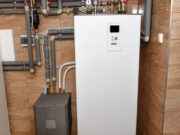
Heat pump hot water systems
Heat pump hot water systems extract heat from the surrounding air to warm your water supply, offering an energy-efficient alternative to traditional electric and gas storage systems. They are especially useful where gas reticulation or rooftop solar collectors are not viable.
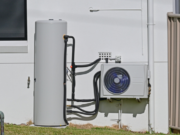
Home fuel cell (HFC) hot water systems
A home fuel cell system is a compact unit that generates electricity through an electrochemical reaction, typically using hydrogen or natural gas. The process produces heat as a by-product, which can be harnessed to supply hot water to the home. This integration of power generation and water heating offers a dual benefit, making it an appealing option for energy-conscious homeowners.
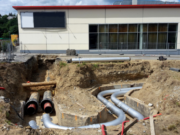
Geothermal hot water systems
A geothermal system, also known as a ground source heat pump, uses stable underground temperatures to heat or cool a home and provide hot water. Pipes buried underground circulate a fluid that absorbs or rejects heat.
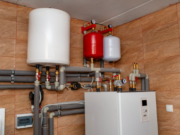
Continuous flow hot water systems
An instantaneous hot water system heats water on demand without a storage tank. When a tap is turned on, water passes through the unit and is heated instantly. This provides unlimited hot water without the recovery delays of a storage tank. These systems are usually compact and can be wall mounted inside or near the point of use.
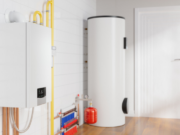
Storage tank hot water systems
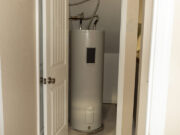
A storage tank hot water system uses an insulated cylinder to heat and store water for household use. Electric models heat the water with internal elements, while gas units use a burner and flue. Solar systems may rely on solar energy alone or combine solar collectors with a gas or electric booster to ensure hot water is always available.
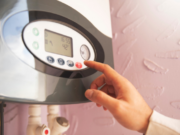
Tank/tankless hybrid hot water systems
Hybrid hot water systems combine the benefits of traditional storage tanks and instantaneous (tankless) units. They typically store a small amount of pre‑heated water for immediate use while relying on an on‑demand heating element to supply additional hot water as needed. This design aims to provide continuous hot water without the long recovery times of full storage systems or the energy spikes of purely tankless models.
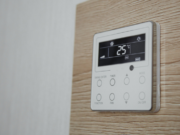
Temperature controllers
Temperature controllers play a vital role in modern Australian homes, particularly in renovations and new builds that must meet today’s safety, energy and sustainability standards. These devices regulate water temperature at outlets, reducing the risk of scalding and helping households comply with current building codes.