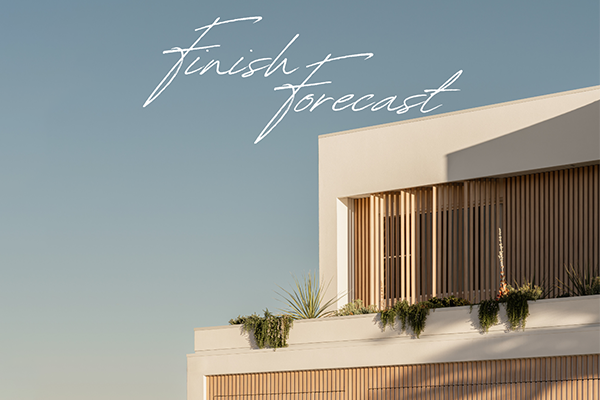
DECO Australia has released its 2026 Finish Forecast, a digital guide highlighting material and colour directions set to influence architectural design in the year ahead. Moving beyond flat colours, the forecast emphasises finishes defined by texture, tonal variation and visual depth.
Informed by global forecasting bodies including WGSN and Coloro, insights from Pantone and Dulux Australia, and DECO’s two decades of expertise in advanced powder coat and sublimation finishes, the outlook reflects a shift toward materials that support wellbeing, durability and emotional connection within the built environment.
Globally, 2026 colour trends are shaped by themes of redirection, reconnection and renewal. Coloro’s Transformative Teal signals resilience, while softer neutrals like Pantone’s Cloud Dancer offer calm and visual clarity. Locally, Dulux’s Ethereal, Elemental and Evoke palettes highlight the growing role of colour in shaping atmosphere and offering respite from increasingly digital lifestyles.
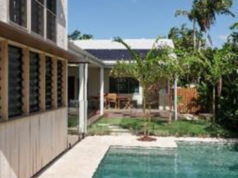
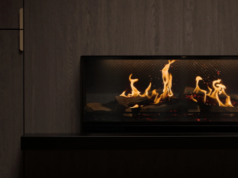
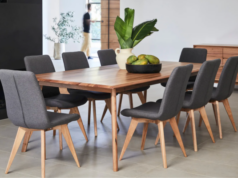
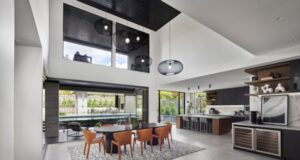
In response, DECO has developed eight curated finish palettes pairing DecoWood and DecoVogue sublimated finishes with complementary solid powder coat colours.
“Rather than prescribing colour alone, the forecast focuses on how finishes interact across surfaces. The aim is to give architects and designers tools to create palettes that feel both grounded and expressive through material contrast and tonal balance,” DECO architectural business manager Simon Pearson says.
The forecast also introduces two new finishes: Pewter Ash and Salted Spruce. Pewter Ash delivers a refined, weathered timber tone suited to minimalist elegance, while Salted Spruce provides a light grey timber aesthetic with contrasting grain, enhancing scale and texture.
“These finishes respond to the demand for materials that convey authenticity while meeting durability and maintenance expectations. They allow designers to introduce warmth and tactility without compromising performance,” Simon adds.
DECO’s 2026 Finish Forecast positions textured, tonal surfaces as a key driver in contemporary architecture, helping designers craft façades and spaces that are enduring, expressive and connected to the human experience.