Beaumont Tiles has unveiled its 2026 interior trend forecast, shaped by on-the-ground insights from design fairs, including Cevisama (Spain), Domotex Shanghai, Kitchen & Bath China (Shanghai), Paris Design Week and CERSAIE (Italy).
The message from the global stage is clear: Homes are moving away from high-gloss statements and towards spaces that feel grounded, tactile and considered.
“Across every major show, designers were prioritising calm. Surfaces are softer, colour is warmer and technology is doing its job quietly in the background,” Beaumont Tiles trend analyst and product launch manager Rachel Gilding says.
Texture leads the conversation
Tiles and surfaces are no longer just visual features, they’re sensory ones. At CERSAIE, exhibitors leaned into clay-like finishes, subtle 3D forms, refined fluting and micro-matte surfaces designed to be touched as much as seen.
Glaze technology is also evolving. Reactive and 3D glazes, along with mirror finishes, are delivering greater depth and realism without feeling decorative for decoration’s sake. The result is materiality that adds richness rather than noise.
Natural materials, refined
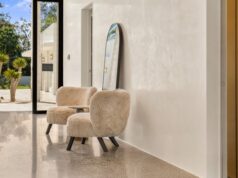
Natural material references are shaping the direction of interiors in 2026, with global designers leaning into finishes that feel grounded, tactile and enduring. Across international fairs, surfaces celebrated softness, variation and depth, favouring character over high polish.
For Australian homes, this translates to limestone looks, Taj Mahal-inspired marbles, soft clay finishes and pared-back terrazzo profiles that bring warmth and longevity to interiors.
“Australians are gravitating towards materials that feel real and timeless. These finishes add depth and warmth without overwhelming a space, they’re designed to be lived with,” Rachel says.
Colour calms down
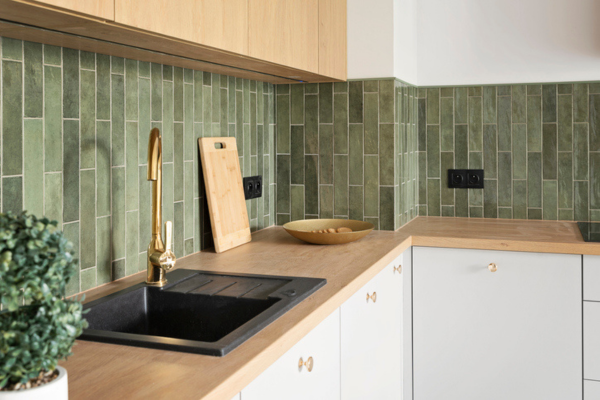
Bold colour hasn’t disappeared, it’s just grown up. NeuVintage marbles are evolving into richer reds, warm whites and greens, balanced by warm neutrals, timber tones and earthy palettes.
Across the fairs, designers favoured tonal layering over contrast, particularly within architectural surfaces.
Pastels and acidic accents were used sparingly to add interest without overpowering a space. While this signals a broader shift toward longevity and versatility, bold contrast and maximalist expression continue to thrive through accessories and soft furnishings.
Innovation without interruption
Technology remains central to tile design, but it’s less visible. Advances such as Microtec finishes, improved print clarity and tactile bathroom surfaces are enhancing performance while keeping the focus on material quality.
A global story, locally grounded
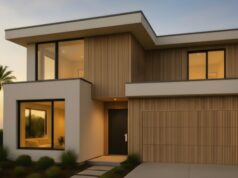
“Taken together, these trends point to a clear shift for Australian interiors in 2026. People want homes that feel warmer, more tactile and more intentional. It’s about restraint, comfort and design that supports how we actually live,” Rachel says.