
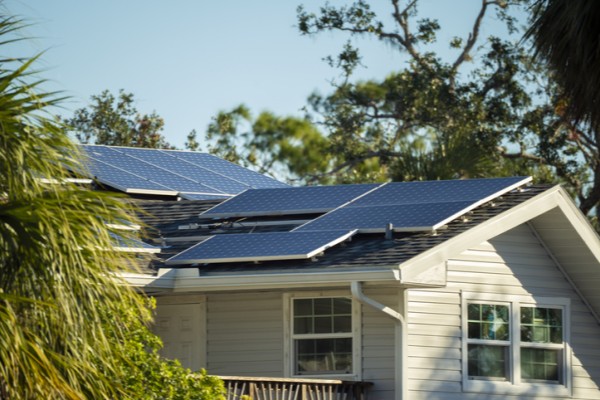
If you’re serious about sustainability and solar power, it’s worth understanding how much energy and environmental impact is involved in making and using a solar photovoltaic (PV) system. A life cycle assessment (LCA) looks at every stage of a product’s life, from raw material extraction to manufacture, daily operation, and eventual disposal or recycling.
What is a life cycle assessment?
A life cycle assessment (LCA) examines the total environmental impact of a product over its entire life, from raw material extraction through to disposal. This helps you understand how a technology, even one marketed as low-impact like solar, really performs when you count all the energy and emissions associated with it.
What goes into a solar panel
Most residential PV panels start as quartzite rock. That rock is processed into silicon crystals, sliced into wafers, and assembled into solar cells. These cells are then combined with glass panels, aluminium frames, copper wiring and various plastics and rubbers to make a complete module. Other system parts such as mounts and inverters, must also be included in a full assessment.
Stages of a solar panel’s life
A solar panel’s life includes:
- mining and refining raw materials
- manufacturing cells and panels
- shipping and installation
- decades of electricity generation
- end of life, where parts are recycled or scrapped
Most residential systems are expected to last 25–30 years, with some materials able to be recycled at the end of life.
Domestic research shows that about 85% of the energy used in a solar system’s lifecycle is consumed turning quartzite into silicon wafers, with roughly half consumed refining metallurgical grade silicon into solar grade. Inverters and other hardware contribute much less by comparison.
energy payback time
One of the key outputs of an LCA is energy payback time — how long it takes a system to generate as much energy as was used to make it. Australian figures suggest an average energy payback of around 1.7 years in high-sun areas such as Darwin and Perth and about 2.3 years in places with lower irradiance like Hobart. After that point, panels generate net clean energy for most of their operational life.
Greenhouse gas emissions and savings
Solar systems also cut greenhouse gas emissions compared with grid electricity. Production of a 1kW system is estimated to produce about two tonnes of greenhouse gases. Over a 30-year lifetime, the cumulative emissions savings compared with typical grid generation can be tens of tonnes of CO₂-equivalent, depending on local grid mix and how much clean energy you export or use on site.
What happens at the end of life
Research into end-of-life management is evolving as more systems approach retirement. Materials such as glass, aluminium and silicon are highly recyclable, and new recycling infrastructure in Australia aims to recover valuable components rather than sending them to landfill.
Understanding lifecycle impacts can help you make smarter choices about system sizing, expected return on investment and sustainability outcomes in your home energy strategy.
If you want help estimating how quickly a solar installation might pay back economically as well as environmentally, our article on solar panel payback time can help you compare outcomes across different cities and export scenarios.
To learn more about solar panel installations, follow this link.