Solar panels are one of the lowest-maintenance parts of your home energy system, thanks to having no moving parts. But to keep them producing well and protect your warranty and long-term performance, a bit of regular care goes a long way.
Why maintenance matters
Although solar panels are tough and built for the Australian climate, dust, bird droppings, shade and loose connections can reduce how much energy your system produces over time. Regular maintenance helps you:
- keep your system running at peak efficiency
- catch small problems before they become expensive
- protect your product and workmanship warranties
- ensure safety, especially around electrical components
How often should you inspect and service
There’s no single rule for every home because needs depend on location, roof pitch, local dust and vegetation. But a good general guide is:
- visual inspection every 3–6 months
- panel cleaning at least twice a year
- professional servicing every 2–5 years
Homes in rural, coastal or dusty areas may need more frequent cleaning and checks, while cleaner urban settings can sometimes stretch the intervals.
Use your monitoring tools
Many systems include a monitoring app or inverter display. Keeping an eye on your system’s daily and monthly output can help you spot issues early. If production drops on sunny days without a clear reason, it could be dirt, shade or an equipment issue.
Cleaning your solar panels
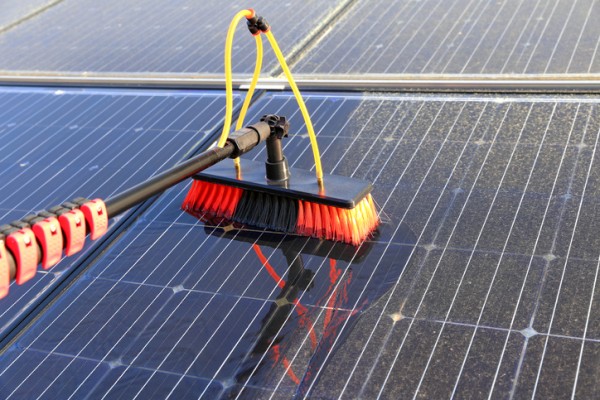
Dirt, pollen and debris on the panel surface can block sunlight and reduce output. Cleaning helps maintain energy production, but it must be done safely:
- clean panels when they’re cool, not in peak sun, to avoid thermal shock.
- use soft water and a soft brush or sponge — avoid high-pressure hoses, abrasive scrubbers or harsh chemicals.
- if your roof isn’t safely accessible, consider a professional cleaner who is licensed and insured.
A general rule for many Melbourne and regional Australian homes is to wash panels at least every 6–12 months, and more often if you notice dust or bird droppings building up.
Checking electrical components
Solar systems also include cabling, isolator switches and an inverter — all of which benefit from periodic checks:
- look for loose or corroded wiring and damaged insulation
- check inverter indicator lights (green usually means normal operation)
- if inverter lights show errors, consult your installer or electrician
- ensure switches and isolators are easily reachable and undamaged
These components are generally inspected by a qualified technician during a professional service, and that also helps preserve warranty coverage.
Managing shading and vegetation
Shade from tree growth, neighbours’ buildings or new roof structures can significantly reduce output. Trim back overhanging branches and keep plants from encroaching on panels. If trees require cutting near power lines or council land, check local regulations before pruning.
Record keeping and warranty
Keeping a maintenance log with dates of cleaning, inspections and repairs can help with troubleshooting and future claims. Many panel and inverter warranties require evidence of regular maintenance before they cover a fault, so good records are worth keeping.
When to call a professional
You should contact a qualified solar installer or electrician if you notice:
- significant drops in energy production without a clear cause
- visible panel damage (cracks, loose frames or corrosion)
- aren’t comfortable with roof access or working around electrical equipment
- it’s been several years since a professional inspection
Professionals are not only safer for roof access but also ensure compliance with Australian electrical safety and solar installation practices.
To learn more about solar panel installations, follow this link and to read an in-depth piece about maintenance of solar panels, click here.