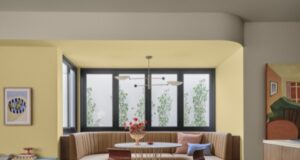
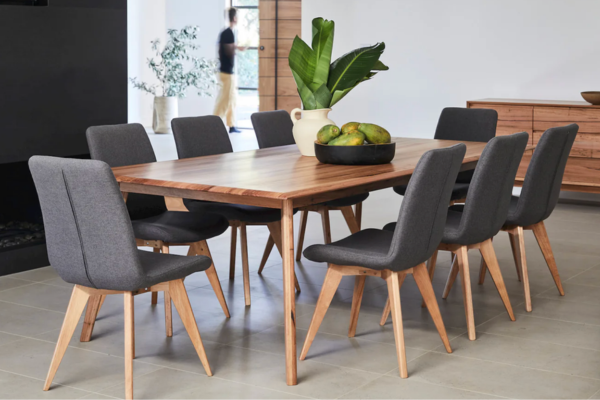
In a market flooded with fast furniture, Australians are increasingly rejecting imported veneer and Medium Density Fibreboard (MDF).
Woodbury Furniture has identified a shift toward furniture that is authentic, durable and locally made, pieces that can withstand everyday life and still look beautiful decades later.
Rising demand for Australian-made furniture
Industry data shows that imports of MDF and particleboard, materials commonly used in lower-cost furniture, have fallen sharply over the past year, with MDF down -13.6% and particleboard down -41%. This decline signals a subtle shift away from imported, panel-based furniture.
At the same time, Woodbury Furniture has seen a marked increase in demand, reflecting a broader consumer preference for durable, locally made pieces.
“Over the past five years, demand for our Australian-made tables has grown by 20-30%, reflecting Australians’ growing preference for furniture that is sustainable, long-lasting and made locally,” Woodbury Furniture general manager Ashlie Mckinnon says.
“Customers can feel the difference the moment they touch the timber. There’s a depth, warmth and solidity that veneer and MDF simply can’t offer.”
From veneer to solid timber: A material shift
Imported furniture often relies on veneers or MDF to cut costs and speed production, and while they may look polished at first, these materials rarely last more than a few years. Veneer can peel, MDF can warp and joints can loosen over time.
“Solid timber develops character with every scratch, dent or polish over the years. It becomes part of the home’s story,” Ashlie adds.
The slow-living Australian home trend
“Australians are embracing slow living, choosing furniture that is crafted to last. By investing in pieces built with care and quality, home owners are moving away from the disposable mindset, opting instead for timeless furniture that can be enjoyed daily and cherished for generations.” Ashlie says.
“Each piece tells a story, developing character over time and becoming an integral part of the home’s history and memories.”
Woodbury Furniture’s guide for choosing furniture that lasts a lifetime
- Check the materials: Solid hardwoods like Australian messmate or spotted gum outlast MDF and veneer.
- Look at the joinery: Traditional methods like mortise and tenon or reinforced bracing indicate durability.
- Feel the finish: Smooth, hand-sanded surfaces are a sign of careful craftsmanship.
- Ask about customisation: Local makers often allow you to tailor sizes, finishes and proportions to your home.
- Consider longevity, not price: Investing in quality furniture now saves replacement costs and hassle later.