


Self-closing door mechanisms
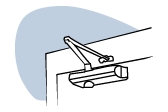
Certain devices and technologies are available to ensure that doors automatically close themselves, either for security's sake or to help control accidental heat loss...
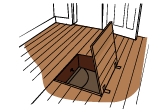
Trapdoors
These doors, which open either down through the floor or up through the ceiling, are most commonly used for access to basements and ceiling...
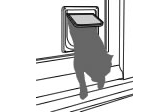
Dog doors, cat flaps and pet doors
Often it makes sense to attach a small door to your home, not only for your pet's convenience, but also to save you the...
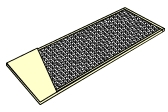
Hollow core doors
Cheaper and more lightweight than solid core doors, hollow core doors are often used for internal doors to keep costs down.
Hollow core doors are...
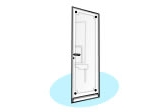
Mirrored doors
Appearing almost exclusively as sliding wardrobe doors, mirrored doors help create the illusion of more space in bedrooms.
Mirrored doors are most commonly used...
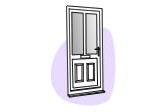
UPVC or vinyl doors
UPVC can be used to construct solid, lightweight doors, but it's more commonly used as a strong, cost effective framing material for things like...
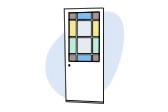
Leadlight doors and stained glass doors
Lead lighting and stained glass aren't cheap, but they can add a tremendous amount to a home in terms of character visual appeal.
Lead light...
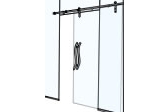
Glass doors
Glass doors look fantastic, although their performance in terms of things like insulation and strength depends very much on the way they're constructed.
Glass can...
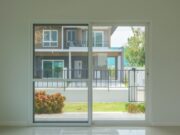
Fibreglass doors
Fibreglass doors are growing in popularity across Australian homes thanks to their durability, energy efficiency and low maintenance. Here’s what you need to know before choosing them.
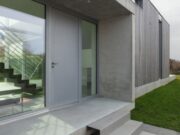
Steel doors
When it comes to security, durability and fire protection, steel is hard to beat. If you're upgrading existing doors or securing entryways, here's why steel doors deserve serious consideration—and how to make the right choice.