





Position and output temperature restrictions
Choosing the right location for your hot water system is crucial for efficiency and compliance with regulations

T&P valves and discharge pipes
Temperature and pressure (T&P) valves are essential safety components in storage tank hot water systems. They are designed to release water when the temperature or pressure inside the tank exceeds safe limits, preventing potential damage or hazards.

Hot water system regulations
Hot water systems in Australia must comply with national and state regulations to ensure safety, efficiency and sustainability. The main framework includes the National Construction Code, Australian Standards for plumbing and heated water services and product certification schemes that guarantee safety and performance.
Which hot water systems are most efficient?
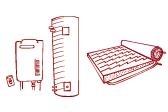
The wrong hot water system can easily account for the lion's share of your electricity consumption. In fact, electric tank systems are being phased...
Phase-out of electric tank hot water systems
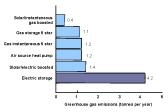
Electric tank storage hot water systems are notorious for the amount of greenhouse emissions they're responsible for. As a result, they're now being phased...
Energy efficiency ratings for hot water
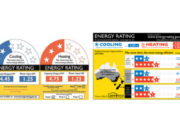
Energy efficiency ratings might seem like just another part of the paperwork when building or buying a home, but they play a key role in reducing your energy bills and making homes more comfortable year-round.
Hot water budget and cost
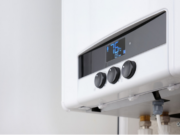
A clear budget is essential for managing costs and avoiding financial stress during a build or renovation. It helps you plan realistically, compare quotes accurately and make informed decisions throughout the project.
Where should hot water systems be installed?
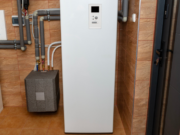
The location of your hot water system significantly impacts its efficiency and responsiveness. Installing the system close to high-demand taps, such as those in the kitchen, bathroom, or laundry, reduces heat loss and ensures a quicker supply of hot water. This proximity allows the system to operate more effectively, as the water doesn't have to travel long distances through pipes.

Bore water and hard water
Hard water contains high levels of dissolved minerals, primarily calcium and magnesium salts. These minerals are naturally present in soil and rock deposits that water traverses, and they cannot be removed by standard filtration methods. Over time, hard water can lead to limescale deposits in pipes and hot water systems, causing blockages and reducing efficiency.

Solar hot water: Do I have enough sunlight?
Australia's abundant sunlight makes solar energy a viable option across most regions. However, the effectiveness of solar systems varies based on geographic location, climate, and seasonal factors. Understanding these variables is crucial when considering solar installations.