

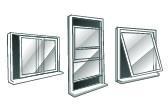
Windows and daylight
The most common and essential form of daylighting in almost all homes, windows play a very big part in lighting design.
According to the Building...
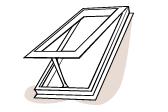
Skylights and roof lanterns
Skylights generally allow much more light into a room than windows do, thanks to their access to direct sunlight.
A decent skylight offers a...
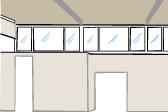
Clerestory windows
Traditionally narrow bands of windows across the tops of buildings, but now seems to include any 'higher-than-average' window.
Clerestory windows allow daylight in without compromising...
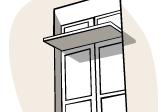
Light shelves
Light shelves work on a fairly basic principle. A shelf is installed outside of a window, which reflects additional light back into a room....
Sawtooth roofs
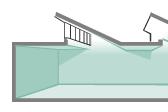
This traditional daylighting method is mostly used in industrial buildings, but is now making a comeback in homes.
Sawtooth roofs are making a resurgence in...
Tilt and turn windows
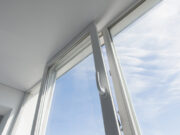
Tilt and turn windows are a versatile window style gaining popularity in Australian homes, particularly in urban and high‑density areas. They offer multiple opening functions combining the benefits of casement, hopper and fixed windows into a single unit.
Fibreglass windows
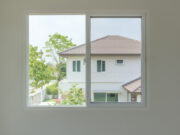
Fibreglass window frames are made from glass‑fibre‑reinforced polyester or similar composite materials. Their strength and low U‑value provide excellent thermal performance. Although not yet common in Australian housing, fibreglass is now regarded as one of the most thermally efficient frame materials available.
Types of windows
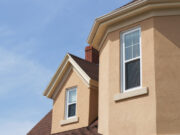
Australia offers a wide range of window styles to suit different climates building types and design preferences. Choosing the right type can improve energy efficiency ventilation comfort and aesthetics.

Window checklist
Created and approved by the BUILD.com.au team, this window checklist is designed to guide you through the process step by step—whether you’re just starting...
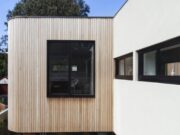
What are energy efficient windows?
Windows are one of the main reasons a home loses heat in winter and gains heat in summer. Selecting high performance windows is critical to achieving modern energy efficiency standards and reducing ongoing energy bills.